
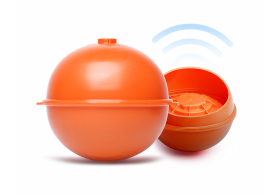
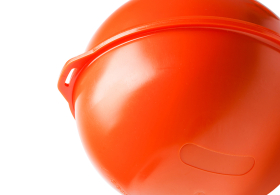
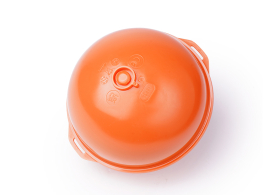
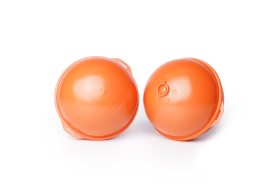
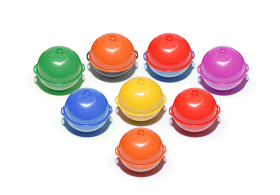
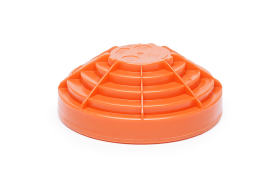

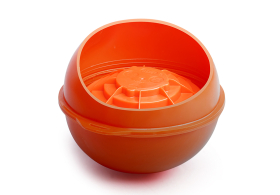
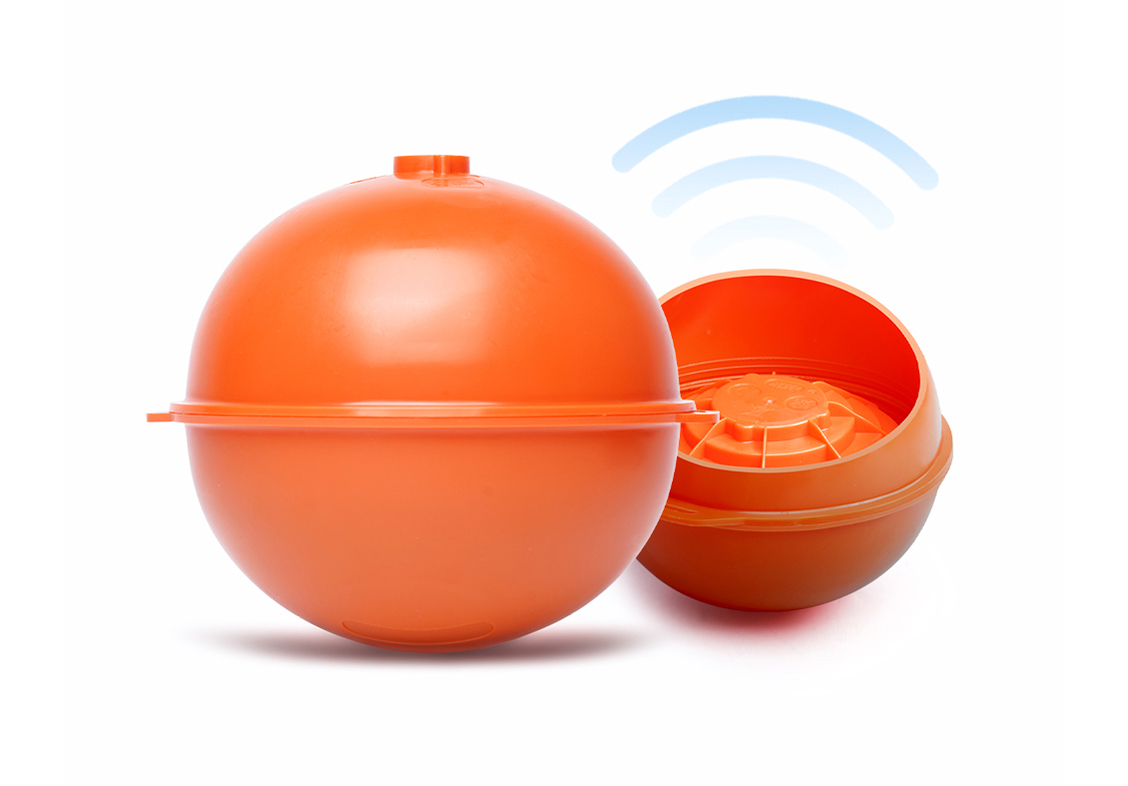
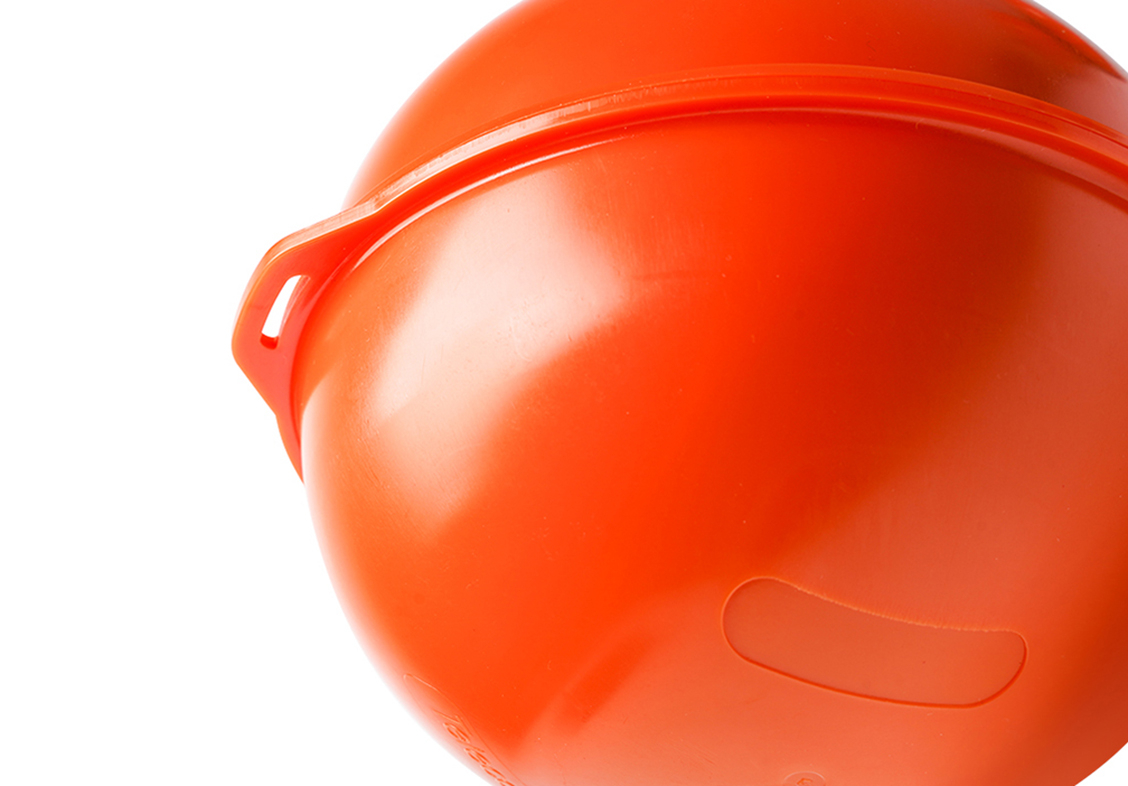
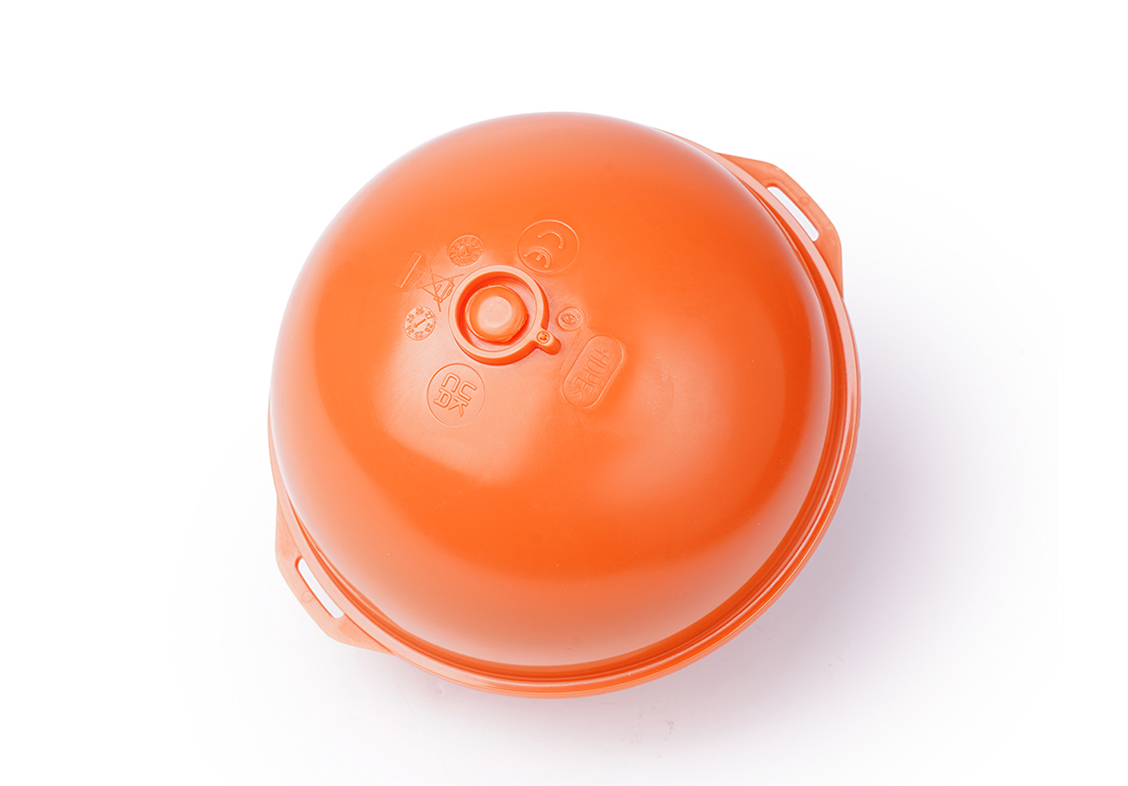
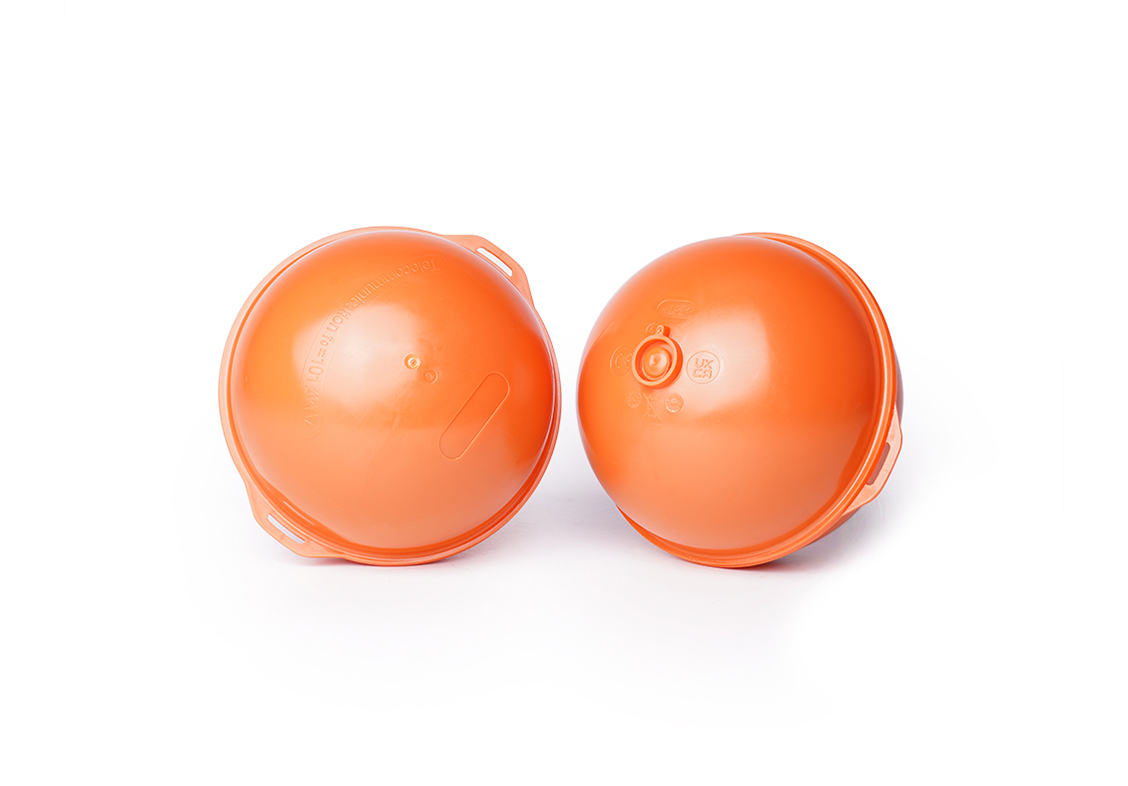
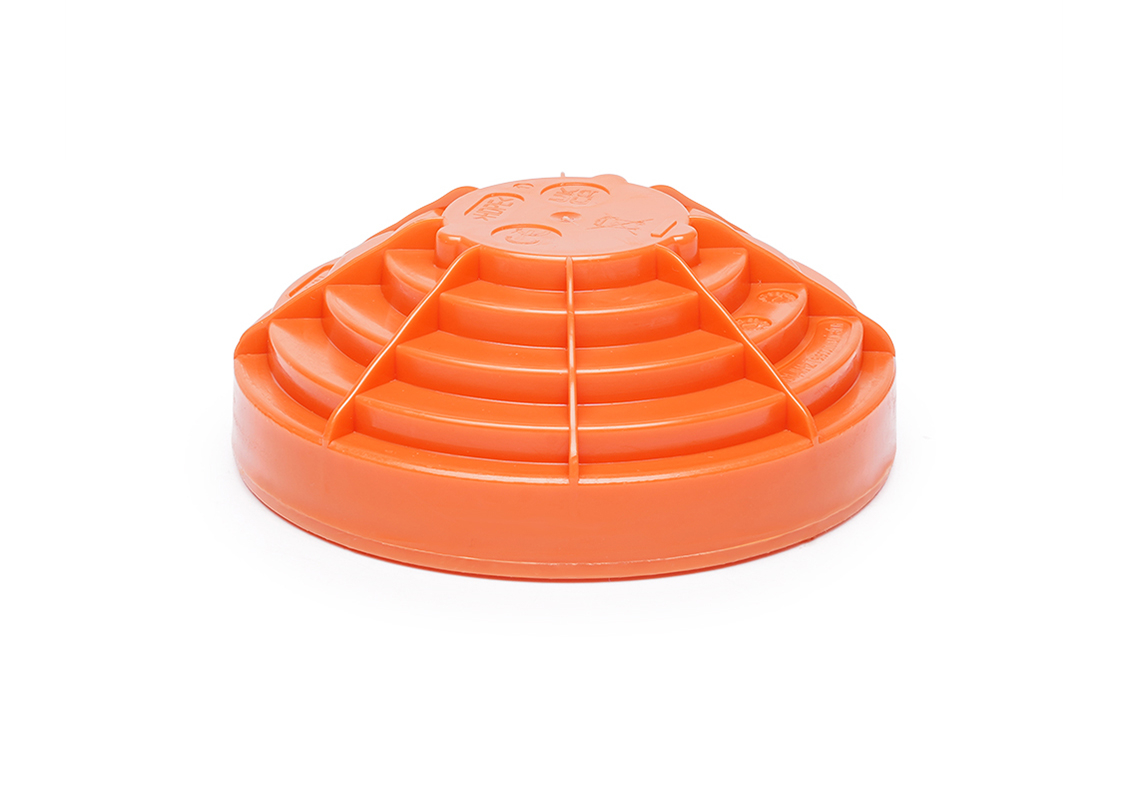
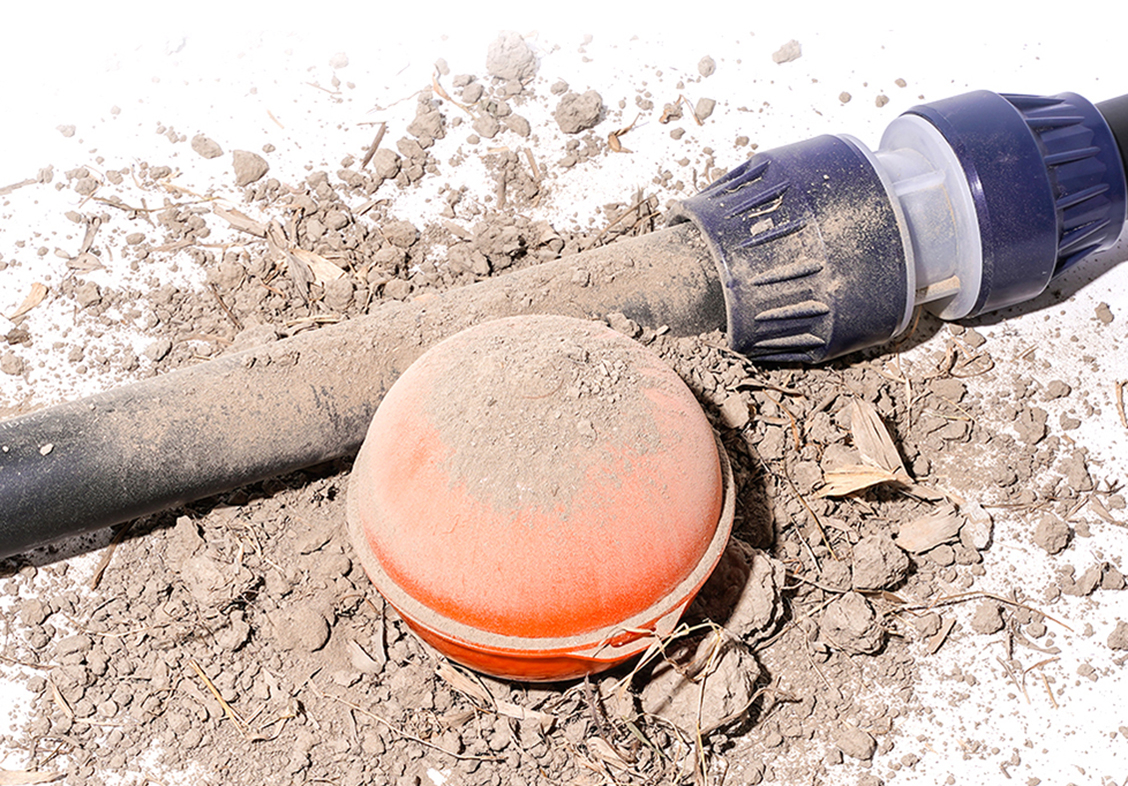
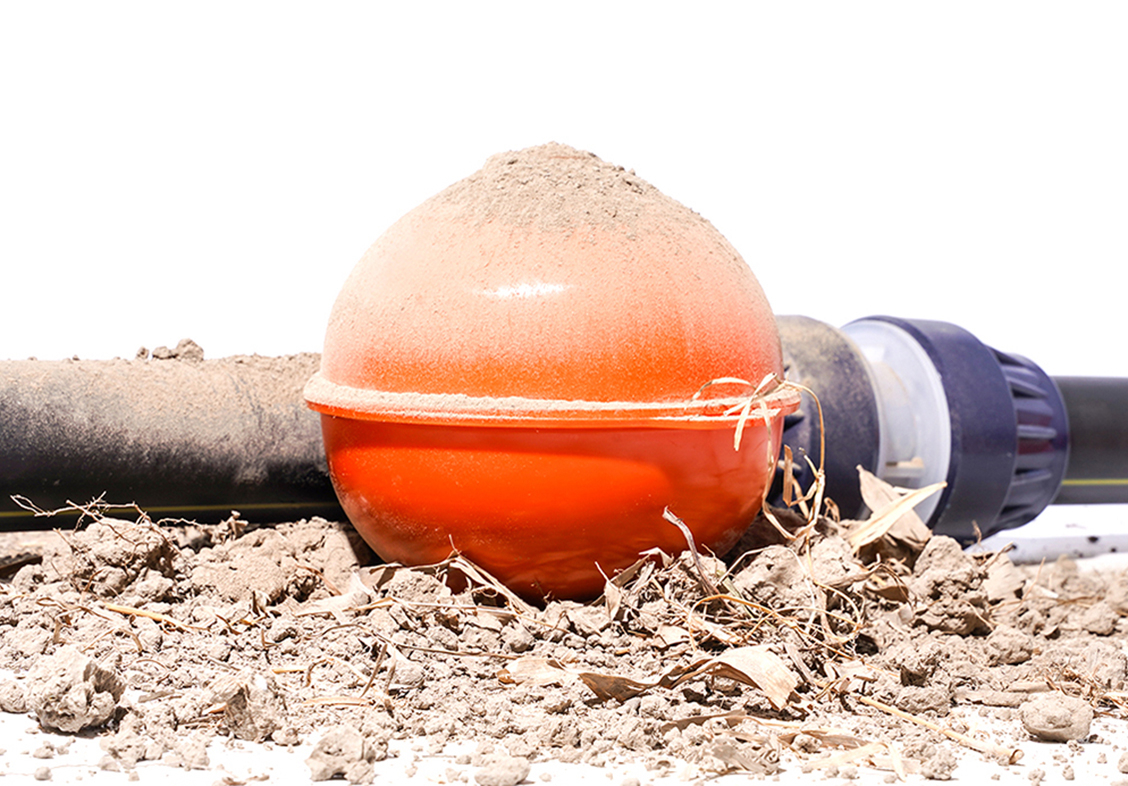

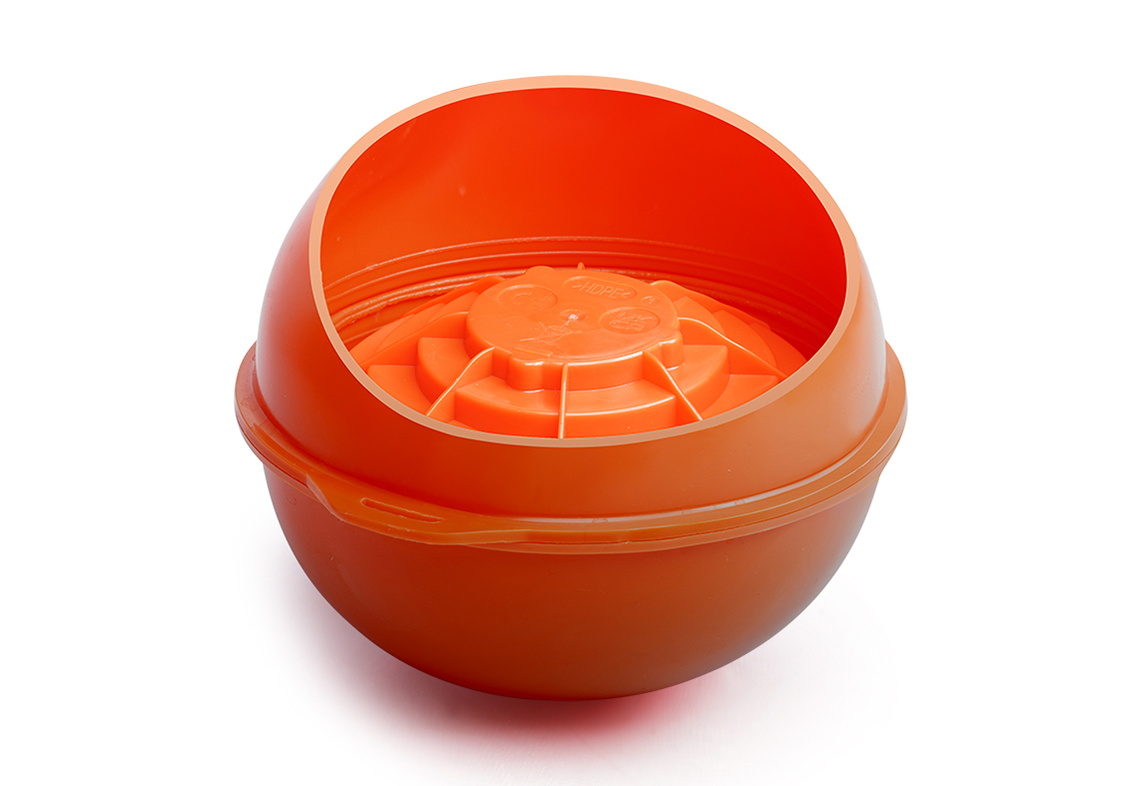


Self-Orientation Technology: The built-in self-orienting RF reflector automatically maintains the correct detection position underground, ensuring consistent signal performance and reliable locator readings.
Environmentally Safe Design: Contains no liquids or hazardous substances, eliminating the risk of soil or groundwater contamination.
Heavy-Duty Load Resistance: Engineered to withstand up to 400kg of localized pressure without cracking, deformation, leakage, or loss of performance.
1.5m Detection Depth: Provides accurate and reliable identification of underground telecom assets at depths of up to 1.5 meters.
Broad Locator Compatibility: Compatible with the ED8000 locator and other industry-standard utility locators operating at 101.4kHz, including the 3M Dynatel series.
| Construction | Description |
| Product Type | EX.ID version |
| Frequency | 101.4kHz |
| Identification Depth | 1.5m |
| Maximum Detectable Depth | 1.5 m (EX.ID version) |
| Service Life | 50 years |
| Diameter | Φ120mm丨4.724in |
| Height | 115mm丨4.528in |
| Material | HDPE |
| Weight | 400g(±20g) |
| Protection Level | IP68 |
| Storage Temperature | -40℃ to +70℃ |
| Operating Temperature | -40℃ to +60℃ |
| Marker Ball Distance | Maximum distance 50m |
| Drop Test | Can withstand a 1.5m drop to the concrete floor. |
| Stress Resistance | Withstands 400kg pressure, the ball has no permanent damage, no cracks and leaks, and no damage to its electronic tag function. |
| DetectorCompatibility | ED8000 or other detectors with the same frequency (for example: 3M Dynatel series) can read |
| Packaging Info. | 30pcs/cnt 12.75kg 0.043cbm(560*225*340mm) 18cnt/pallet 247kg 2.016cbm(2100*800*1200mm) |
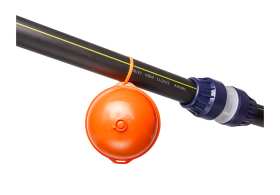
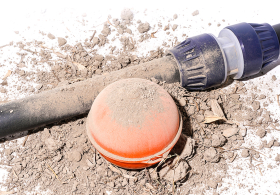
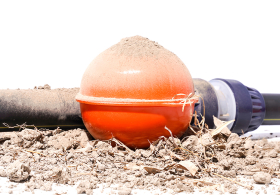
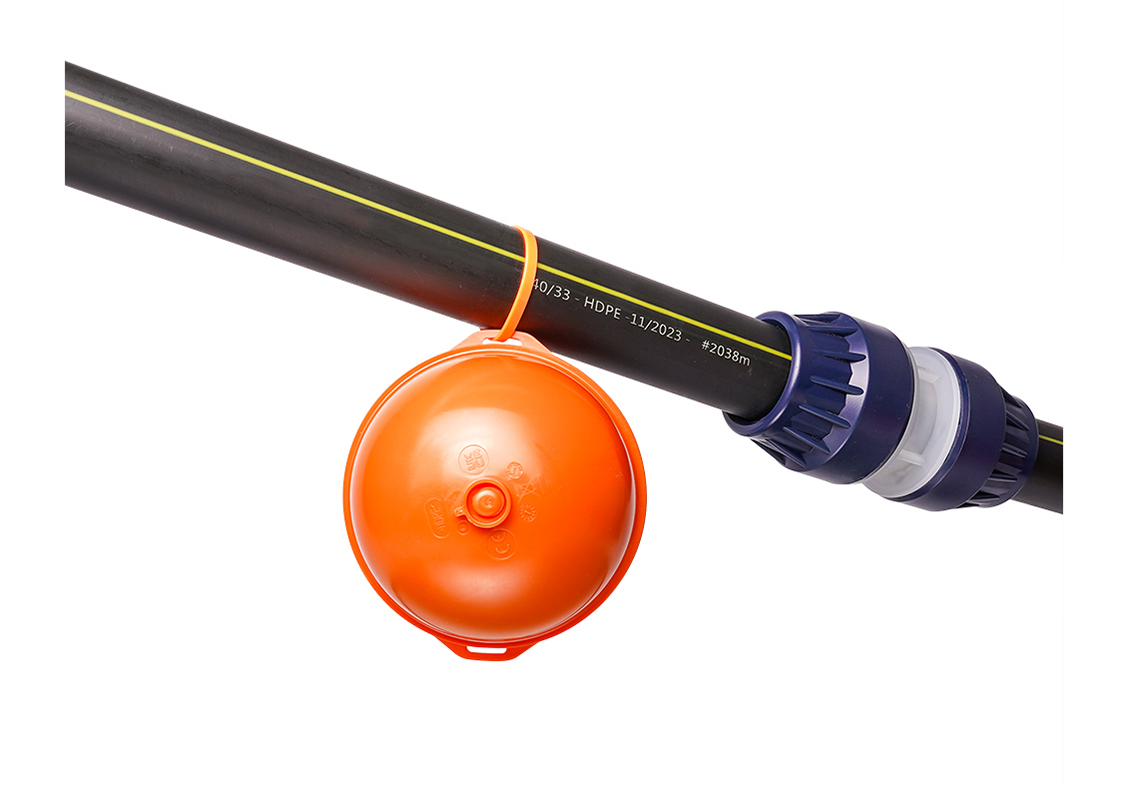
The FCST Marker Ball is designed for direct burial or installation within underground telecom chambers, handholes, and utility pathways.
Installation Depth: For optimal detection performance, installation depth should not exceed 1.5 meters.
Clearance from Metallic Infrastructure: Maintain a minimum separation of 10cm between the marker ball and metallic ducts, pipes, or structures to minimize signal interference.
HDPE Microduct Networks: Ideal for HDPE microduct systems and other non-metallic telecom routes where traditional tracer wires are unavailable.